

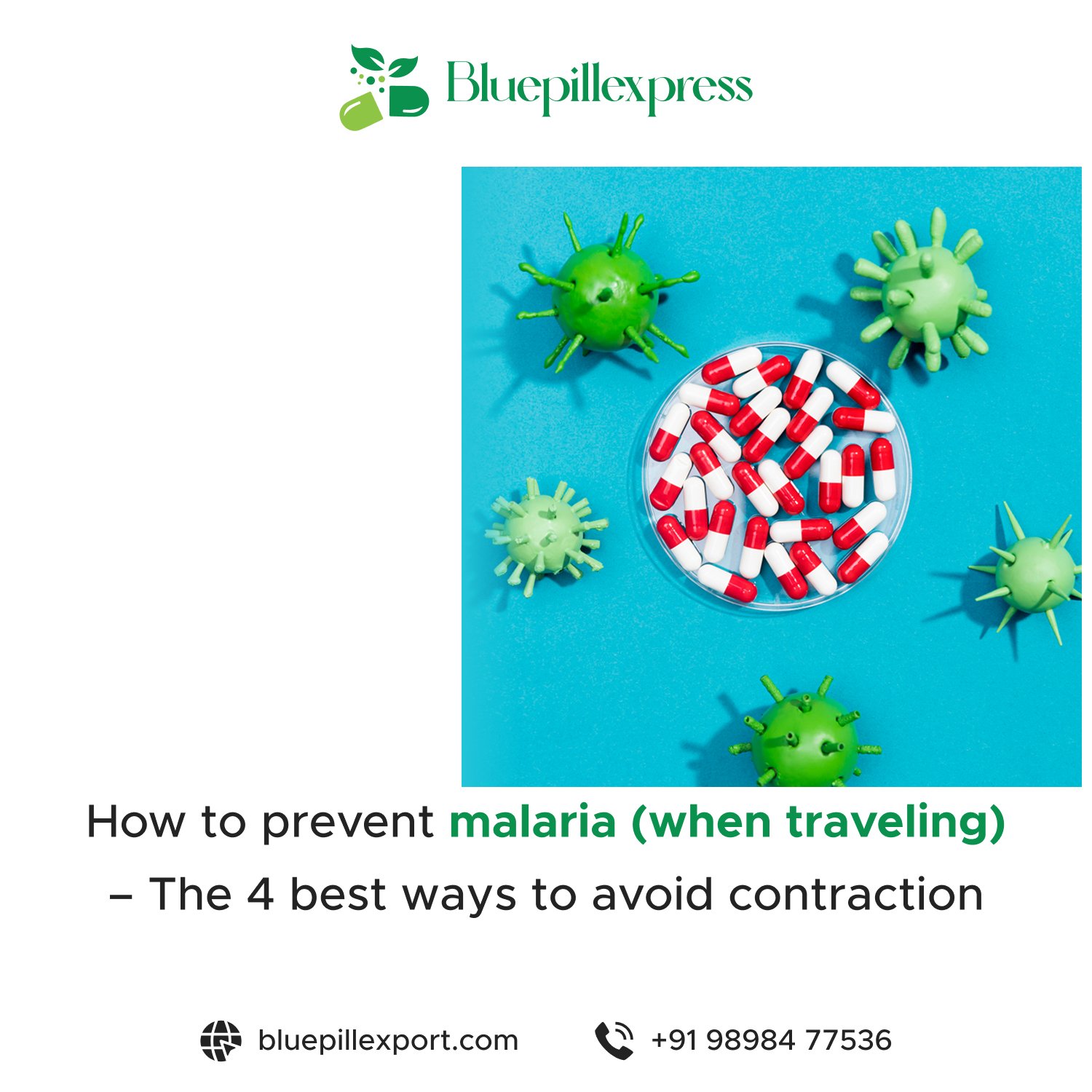
How to prevent malaria (when traveling) – The 4 best ways to avoid contraction
 IndiaMart
 FIEO
FIEO
Traveling to tropical or subtropical regions is exciting—but it also means taking certain health precautions seriously. Among them, malaria prevention is one of the most important. Every year, millions of international travelers visit countries in Africa, Asia, South America, and Oceania where malaria transmission is common. A lack of preparation can turn a dream trip into a dangerous situation.
Malaria is a potentially life-threatening infection caused by Plasmodium parasites, transmitted through the bite of an infected female Anopheles mosquito. Thankfully, malaria is highly preventable with proper planning, protective habits, and access to the right preventive medications.
This extensive guide explains the 4 best ways to prevent malaria when traveling, supported by practical travel advice, medical recommendations, and real-world prevention strategies. Whether you’re visiting Africa, India, Southeast Asia, Nigeria, Ghana, Kenya, or Papua New Guinea, following these methods will significantly reduce your risk of contracting malaria.
This guide is brought to you by BluePillExpress, a trusted platform providing safe access to essential travel medicines, including antimalarials.
Why Malaria Prevention Is Critical for Travelers
While malaria is curable, prevention is far more important because:
- It can escalate quickly, especially Plasmodium falciparum, the most dangerous species.
- Travelers typically have no natural immunity.
- Symptoms often start after the trip, making diagnosis harder.
- Access to treatment can be limited in remote regions.
Malaria symptoms include fever, chills, sweating, fatigue, headaches, nausea, and in severe cases, organ failure. These symptoms may appear 7–30 days after infection—not always immediately.
Because the disease is mosquito-borne, prevention focuses on reducing mosquito bites and taking prophylactic medications before, during, and after your trip.
The 4 Best Ways to Prevent Malaria When Traveling
Below are the four most effective, globally recommended malaria prevention strategies:
1. Take Antimalarial Medication (Chemoprophylaxis)
This is the number one and most reliable way to avoid contracting malaria. Medical guidelines emphasize that travelers must take preventive medication if they are visiting a malaria-endemic area.
Antimalarial drugs work by killing the parasite at different stages of its life cycle, preventing infection even if you do get bitten by an infected mosquito.
Common Antimalarial Medications for Travelers
The most recommended preventive medicines include:
Atovaquone–Proguanil (Malarone)
- Taken daily
- Start 1–2 days before entering the risk zone
- Continue during the stay and 7 days after leaving
- Well tolerated
- Good choice for last-minute travel
Doxycycline
- Taken daily
- Start 1–2 days before travel
- Continue during the stay and up to 4 weeks after leaving
- Affordable and widely used
- Also prevents other infections like leptospirosis and tick-bite illnesses
Mefloquine
- Taken weekly
- Start at least 2 weeks before travel
- Continue during the stay and 4 weeks after travel
- Suitable for long trips
- Not recommended for those with anxiety, depression, or heart conditions
Tafenoquine (Arakoda / Kozenis)
- Weekly or single-dose regimens (depending on brand)
- Prevents both primary malaria and relapses
- Not suitable for people with G6PD deficiency
These medications are especially recommended for travelers going to:
- Nigeria
- Ghana
- Kenya
- Uganda
- Tanzania
- DR Congo
- India (high-risk rural regions)
- Papua New Guinea
- Indonesia
- Amazon Basin
- Myanmar
- Zambia
- Mozambique
- Parts of Southeast Asia
Where to Get Antimalarial Tablets
BluePillExpress helps travelers obtain safe, verified antimalarial medicines such as doxycycline, Malarone, and mefloquine with clear instructions and quality assurance.
Why Medication Matters
Many travelers wrongly assume malaria is rare or avoid medication due to inconvenience. However:
- Even a single mosquito bite can transmit malaria.
- Most severe cases occur in travelers who skipped preventive drugs.
- Local hospital care may be limited or unavailable.
Taking antimalarial tablets is the strongest and most proven defense against malaria.
2. Prevent Mosquito Bites (Especially From Dusk to Dawn)
Malaria-carrying mosquitos primarily bite between sunset and sunrise. Minimizing exposure to mosquito bites drastically lowers your risk.
Here are the best methods:
Wear Protective Clothing
Choose:
- Long-sleeve shirts
- Long pants
- Loose-fit clothing
- Socks
- Closed shoes in the evening
Light-colored clothes are recommended, as mosquitos are attracted to darker shades.
Use Insect Repellent
Apply repellents containing:
- DEET (20–50%)
- Picaridin
- IR3535
- Oil of Lemon Eucalyptus (natural alternative)
DEET remains the most effective and long-lasting option.
Apply repellent to:
- Exposed skin
- Ankles
- Arms
- Neck area
- Clothing (lightly)
Use Permethrin-Treated Clothing
For added protection:
- Treat clothes with permethrin spray or
- Buy pre-treated shirts, socks, and jackets
This method kills mosquitos on contact.
Use Permethrin-Treated Clothing
For added protection:
- Treat clothes with permethrin spray or
- Buy pre-treated shirts, socks, and jackets
This method kills mosquitos on contact.
3. Sleep With Mosquito Protection
Protecting yourself while sleeping is a major part of malaria prevention, since nighttime is peak biting time.
Use a Mosquito Net
A long-lasting insecticidal net (LLIN) is recommended:
- Hang it so it doesn’t touch your body (mosquitos can bite through fabric)
- Make sure it’s tucked under the mattress
- Repair any holes
Choose Indoor Accommodation Wisely
Look for rooms with:
- Air conditioning
- Ceiling fans
- Window screens
- Sealed doors
Because mosquitos avoid cold environments, AC is extremely effective.
Use Indoor Mosquito Killers
Useful options include:
- Electric mosquito repellents
- Plug-in vapor mats
- Mosquito coils (use with caution indoors)
- Room insecticide sprays
Avoid Sleeping Outdoors Without Protection
If camping or trekking:
- Use insecticide-treated tents
- Wear long-sleeve clothing at night
- Avoid sleeping near water sources
Sleeping protection is often the most overlooked prevention measure by travelers.
4. Practice Smart Travel Habits (Before, During, and After Your Trip)
Mosquito prevention and medication must be supported by smart planning and awareness.
Before Traveling
- Check malaria risk in your destination
Some areas have high transmission, others low or seasonal. - Get the right antimalarial medication
Consult a travel doctor or use trusted medicine providers like BluePillExpress. - Pack protective items
- Repellent
- Mosquito-proof clothing
- Bed net
- First-aid supplies
- Understand the symptoms of malaria
Early detection can be life-saving.
During Your Trip
- Take your antimalarial tablets exactly as prescribed.
- Avoid outdoor activities after dusk without repellent.
- Sleep under a mosquito net.
- Stay in protected, screened accommodations.
- Avoid stagnant water areas.
- Wear long sleeves at night.
After Returning Home
Malaria symptoms often appear 7–30 days after exposure.
Seek urgent medical attention if you experience:
- Fever
- Chills
- Sweating
- Muscle aches
- Weakness
- Loss of appetite
Tell the doctor you recently traveled to a malaria-risk area. This speeds up diagnosis and prevents complications.
Understanding Different Types of Malaria (Important for Travelers)
There are five main Plasmodium species that infect humans:
1. Plasmodium falciparum
- Most dangerous
- Common in Africa and parts of South Asia
- Can become severe quickly
2. Plasmodium vivax
- Causes relapsing malaria
- Common in Asia and Latin America
- Requires special treatment for liver stages
3. Plasmodium ovale
- Also causes relapses
4. Plasmodium malariae
- Chronic, low-level infection
5. Plasmodium knowlesi
- Found in forested areas of Southeast Asia
Because some types relapse months after a trip, prevention is critical.
Who Is at Higher Risk When Traveling?
- Children
- Pregnant women
- Elderly travelers
- People with weak immune systems
- Travelers staying in rural villages
- Travelers visiting family for long periods
- Aid workers, volunteers, and backpackers
- Safari travelers and outdoor explorers
Extra caution is required for these groups.
Common Myths About Malaria Prevention (Debunked)
Myth 1: “If I don’t see mosquitos, I won’t catch malaria.”
False. Mosquitos that carry malaria are often quiet and small.
Myth 2: “Local people don’t use antimalarial tablets, so I don’t need them.”
Locals often have partial immunity—travelers do not.
Myth 3: “I will just treat malaria if I get it.”
This is extremely risky. Malaria can become fatal within 24–48 hours.
Myth 4: “I’m healthy so malaria won’t affect me much.”
Malaria can seriously harm even young and healthy travelers.
Myth 5: “Natural remedies are enough.”
No natural remedy can prevent malaria.
Best Antimalarial Tablets for Travelers (Summary)
| Medication | Frequency | Best For | Notes |
|---|---|---|---|
| Atovaquone–Proguanil | Daily | Most travelers | Few side effects |
| Doxycycline | Daily | Budget-friendly option | Causes sun sensitivity |
| Mefloquine | Weekly | Long trips | Not suitable for people with mood disorders |
| Tafenoquine | Weekly/Single Dose | Vivax areas | Requires G6PD test |
Reliable suppliers like BluePillExpress ensure travelers get authentic, high-quality medicines.
Why Choose BluePillExpress for Malaria Prevention Medicines?
Travelers often struggle to locate trustworthy sources for antimalarial tablets. Counterfeit medications are common in some regions.
BluePillExpress stands out because:
- It provides verified, high-quality antimalarial medicines.
- It offers reliable international shipping.
- It ensures clarity on dosage, precautions, and travel guidance.
- It is convenient for last-minute travel plans.
If you’re traveling to Africa, Asia, or other malaria-prone destinations, BluePillExpress helps you stay protected well before your journey begins.
Conclusion: Malaria Prevention Is Easy, Effective, and Essential
Malaria remains one of the world’s most dangerous infectious diseases, but it is almost entirely preventable with the right precautions. By following the top four strategies—taking antimalarial medication, avoiding mosquito bites, protecting yourself while sleeping, and practicing smart travel habits—you can greatly reduce your risk and enjoy your journey safely.
Whether you’re traveling for business, tourism, adventure, or family visits, prioritizing malaria prevention is one of the smartest decisions you can make.
For reliable antimalarial medicines and travel health essentials, BluePillExpress provides safe and convenient access to everything you need to stay protected.