

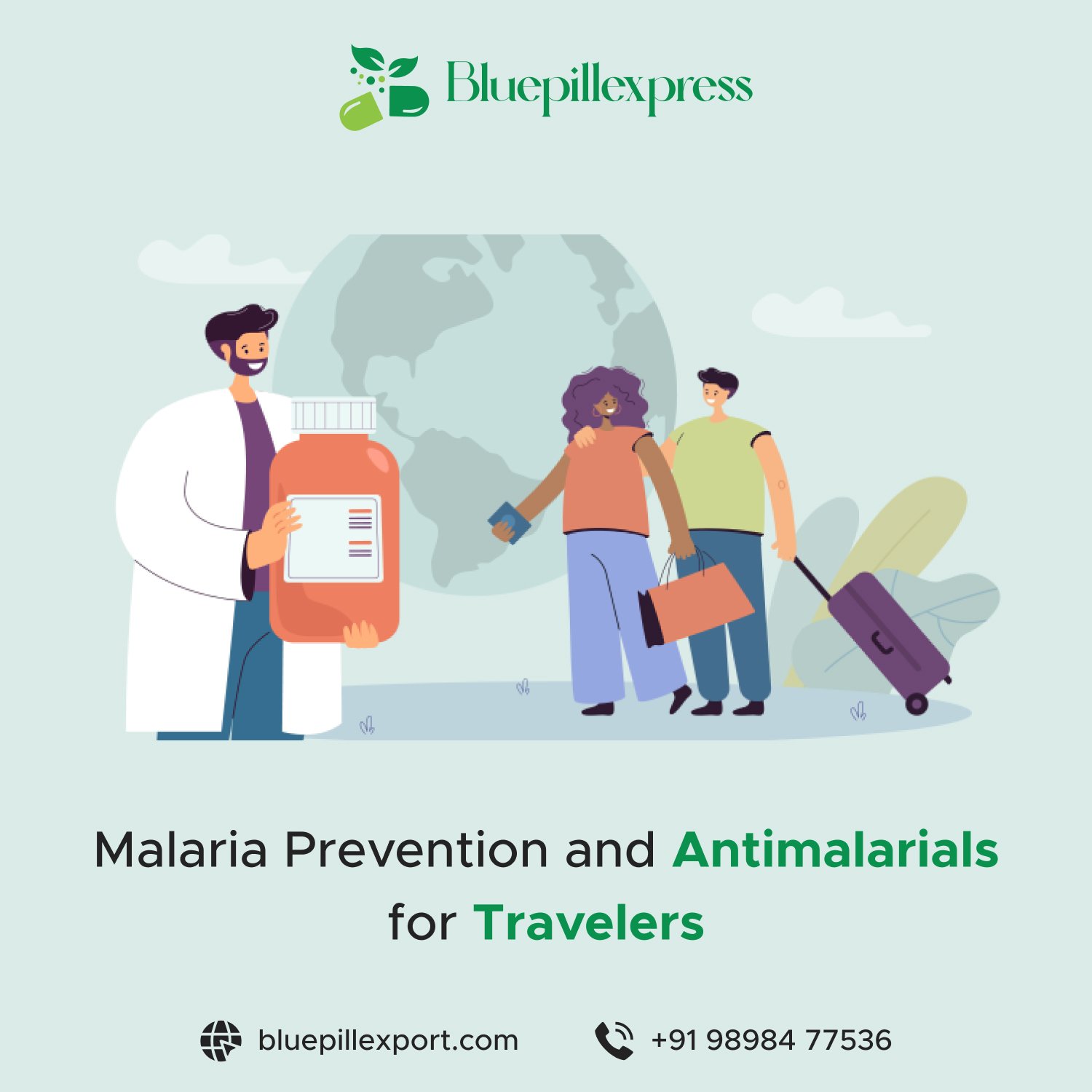
Malaria Prevention and Antimalarials for Travelers
 IndiaMart
 FIEO
FIEO
Traveling to Africa can be an exciting and life-changing experience, but it also comes with certain health risks, one of the most serious being malaria. Malaria is a life-threatening disease caused by Plasmodium parasites, transmitted through the bite of infected female Anopheles mosquitoes. Each year, hundreds of millions of people worldwide are affected by malaria, with sub-Saharan Africa accounting for the majority of cases.
For travelers, understanding how to avoid malaria in Africa and knowing the right antimalaria medicine for Africa is crucial. This guide provides a detailed overview of malaria prevention strategies, types of malaria drugs, and tips to stay safe while enjoying your trip.
Understanding Malaria
Malaria is caused by five types of Plasmodium parasites, but the most dangerous is Plasmodium falciparum, which is prevalent in many African countries. Symptoms typically appear 7 to 30 days after infection and include high fever, chills, sweating, headache, nausea, and fatigue. If untreated, malaria can lead to severe complications, including organ failure, anemia, and death.
Travelers are particularly vulnerable because they may not have immunity to the disease. Therefore, preventing malaria before, during, and after travel is essential
How to Avoid Malaria in Africa
Avoiding malaria in Africa involves a combination of personal protection measures, environmental precautions, and medical prophylaxis. Here are key steps:
1. Personal Protection Measures
- Use insect repellent: Apply repellents containing DEET, picaridin, or IR3535 on exposed skin.
- Wear protective clothing: Long-sleeved shirts, long pants, and socks reduce skin exposure, especially during dusk and dawn when mosquitoes are most active.
- Sleep under insecticide-treated bed nets (ITNs): These nets are highly effective, particularly in rural or high-risk areas.
- Avoid outdoor activities during peak mosquito hours: Typically from dusk to dawn, mosquitoes are most likely to bite.
2. Environmental Precautions
- Stay in well-screened or air-conditioned accommodations: Proper housing reduces mosquito exposure.
- Eliminate mosquito breeding sites: Avoid stagnant water near sleeping areas, as mosquitoes breed in standing water.
- Use indoor insecticides: Aerosol sprays and mosquito coils can add an extra layer of protection.
3. Medical Prophylaxis: Antimalaria Medicine for Africa
Even with excellent protective measures, using malaria prophylaxis (preventive medication) is highly recommended for travelers to Africa. Taking antimalarial drugs significantly reduces the risk of infection.
Types of Malaria Pills
Choosing the right malaria pills depends on the destination, duration of stay, health condition, and potential drug resistance in the area. Here’s a breakdown:
1. Atovaquone-Proguanil (Malarone)
- Effectiveness: Highly effective against chloroquine-resistant strains of Plasmodium falciparum.
- Dosage: Start 1–2 days before travel, continue daily during travel, and for 7 days after leaving the endemic area.
- Advantages: Fewer side effects, well-tolerated.
- Best for: Short-term travel to high-risk areas.
2. Doxycycline
- Effectiveness: Effective against most strains of malaria.
- Dosage: Start 1–2 days before travel, continue daily during travel, and for 28 days after leaving the area.
- Advantages: Inexpensive, also protects against other infections like tick-borne diseases.
- Disadvantages: May cause sun sensitivity and gastrointestinal upset.
3. Mefloquine (Lariam)
- Effectiveness: Effective against chloroquine-resistant malaria.
- Dosage: Start 2–3 weeks before travel, continue weekly during travel, and for 4 weeks after leaving the area.
- Advantages: Weekly dosing is convenient.
- Disadvantages: May cause vivid dreams, anxiety, or mood changes; not suitable for people with psychiatric history.
4. Chloroquine
- Effectiveness: Limited due to widespread resistance in Africa.
- Dosage: Start 1–2 weeks before travel, continue weekly during travel, and for 4 weeks after leaving the area.
- Best for: Travel to areas where malaria remains chloroquine-sensitive, like parts of Central America.
How to Prevent Getting Malaria
Prevention is more than just taking pills. Here’s a comprehensive approach to prevent getting malaria:
- Start prophylaxis early: Begin your chosen malaria medication before entering Africa to ensure full protection.
- Adhere strictly to the medication schedule: Skipping doses can reduce effectiveness.
- Combine medication with physical protection: Bed nets, repellents, and clothing are vital complements to pills.
- Monitor your health: If you develop fever, chills, or flu-like symptoms during or after travel, seek medical attention immediately. Early diagnosis and treatment are critical.
- Educate yourself on high-risk areas: Rural, forested, and swampy regions generally carry a higher risk than urban centers.
Best Malaria Drugs in Nigeria
Nigeria is considered high-risk for malaria, and travelers should be prepared with effective malaria tablets. According to health authorities:
- Atovaquone-proguanil is highly recommended for travelers due to its efficacy and minimal side effects.
- Doxycycline remains a reliable choice, especially for long-term travelers or those unable to take mefloquine.
- Mefloquine is also effective but must be used cautiously due to neuropsychiatric side effects.
For locals and residents seeking treatment, several good malaria drugs in Nigeria include artemisinin-based combination therapies (ACTs) like:
- Artemether-lumefantrine (Coartem)
- Artesunate-amodiaquine
- Dihydroartemisinin-piperaquine
These are widely available and are considered the first-line treatment for uncomplicated malaria in Nigeria.
Choosing the Best Malaria Tablets in Nigeria
When selecting malaria tablets, travelers should consider:
- Travel destination and resistance patterns: Certain drugs may be ineffective in areas with resistant strains.
- Duration of stay: Longer trips may require medications with better long-term safety profiles.
- Side effects and personal health conditions: Some drugs may not be suitable for pregnant women, children, or individuals with liver, kidney, or psychiatric conditions.
- Convenience: Daily medications like doxycycline or atovaquone-proguanil may be easier to manage than weekly drugs for some travelers.
Consulting a travel medicine clinic or healthcare provider before departure is the best way to determine the ideal malaria prophylaxis for your journey.
Additional Tips for Malaria Prevention in Africa
- Vaccination: While the RTS,S malaria vaccine is available in some countries, it is not yet widely recommended for travelers. However, it may become part of future prevention strategies.
- Awareness of symptoms: Fever, chills, fatigue, nausea, and body aches after returning from Africa should prompt immediate testing. Malaria can appear up to several months after travel.
- Combination approach: Relying solely on medication is not sufficient. Combining drug prophylaxis, personal protective measures, and environmental awareness offers the highest protection.
Malaria Prevention During Travel
- Carry insect repellent and bed nets at all times.
- Stay in screened or air-conditioned rooms whenever possible.
- Cover up during peak mosquito activity.
- Avoid outdoor activities near stagnant water, especially at dusk and dawn.
- Follow your medication regimen strictly.
- Have a plan for medical care in case of fever or suspected malaria.
Treating Malaria
Despite prevention measures, infection can still occur. Early treatment is vital. If you develop symptoms:
- Seek medical attention immediately. Malaria can become severe quickly.
- Do not self-medicate with over-the-counter drugs unless directed by a healthcare professional.
- First-line treatments in Nigeria include ACTs, which are highly effective.
- Hospitalization may be necessary for severe cases involving complications like cerebral malaria.
Summary: How to Prevent Malaria Effectively
- Use antimalarial prophylaxis: Atovaquone-proguanil, doxycycline, or mefloquine.
- Combine with personal protection: Repellents, protective clothing, bed nets.
- Be aware of environmental risks: Avoid mosquito breeding areas, especially in rural Africa.
- Seek immediate medical care if symptoms appear.
- Stay informed about the best malaria drugs in Nigeria and recommended tablets for travelers.
By following these strategies, travelers can significantly reduce their risk of contracting malaria while visiting Africa. Prevention requires a multi-pronged approach, combining drugs, personal protection, and situational awareness.